
Done-for-you email newsletters for therapists
Mental Health Newsletter: Stay Connected With Your Patients
Done-for-you newsletters, plus 60+ mental health newsletter ideas
Want to stay connected with your audience between sessions without spending hours writing? A monthly mental health newsletter keeps your name top of mind, builds trust, and gently promotes your services. We write, design and schedule it for you.
- Written in your clinical voice
- Designed to match your brand
- You approve every issue

Mental health newsletter support for therapists
Nurture your clients with done-for-you mental health newsletters
We help therapists and group practices stay top of mind with their audience, with zero writing required.
Your clients want to hear from you. They just don’t want to chase you down on social media. A monthly mental health newsletter lands directly in their inbox, offering encouragement, insights, and reminders that you’re here to help.
But let’s be honest: between sessions, paperwork, and running a business, writing a newsletter is often the first thing to fall off your to-do list. That’s where we come in.
At LMR Digital Marketing, we specialize in done-for-you email newsletters for therapists, coaches, and group practices. We take writing, editing, formatting, and scheduling off your plate, and deliver client-nurturing content that feels like you wrote it yourself (only better).
Here’s what you can expect
Hover over a line to read more.
- Strategy + writingEvery mental health newsletter is tailored to your audience, whether you work with parents, teens, young adults, or professionals, with relevant, timely topics like managing anxiety, building boundaries, seasonal stress, and trauma healing.
- Design + layoutWe format each newsletter with a clean, mobile-friendly design that reflects your branding. No clutter, just clarity and calm.
- Mental health expertiseOur writers specialize in the mental health space. That means grounded, compassionate content that reflects your clinical voice, with no cringey headlines or “rah-rah” life coaching fluff.
- Approvals + revisionsYou’ll always have the final say. Review the draft, request changes, or add a personal note from your team. We make it easy.
- Scheduling supportNeed help sending it out? We can schedule the email, so you don’t have to lift a finger.
Why a newsletter works
Build trust with a monthly mental health newsletter
Your audience is constantly overwhelmed by online noise.
But when someone chooses to subscribe to your newsletter? That’s a powerful trust signal.
Whether your list has 50 or 5,000 subscribers, what matters is showing up consistently with value.
Schedule a consultA consistent newsletter helps you…
Tap the goals that matter most to your practice.
Know which goals matter most? Share them on a free consult and we’ll plan your newsletter topics around them.
Mental health newsletter ideas & topics
What are good mental health newsletter ideas?
Good mental health newsletter ideas combine useful information with topics that reflect your practice, specialties, and audience. Instead of sending the same type of email every month, rotate between educational content, seasonal topics, practice updates, resources, and opportunities for readers to learn more about your services.
Mental health newsletter topics might include managing anxiety, setting boundaries, understanding burnout, navigating grief, coping with seasonal stress, improving communication, preparing for the holidays, or understanding what to expect from a particular type of therapy. You can also introduce a new clinician, share an upcoming group or workshop, highlight a service, answer a frequently asked question, or point readers toward a helpful resource on your website.
Anxiety vs. everyday worry
Explain the difference and when it may be time to reach out.
What burnout really looks like
Signs that go beyond simply feeling tired.
Understanding grief
Why grief isn’t linear and what readers can expect.
How stress shows up in the body
A gentle explanation of the stress response.
Common myths about depression
Clear up misconceptions in plain language.
ADHD in adulthood
Why many adults are diagnosed later in life.
What to expect from a type of therapy
Demystify a modality you offer, like EMDR, DBT or CBT.
Sleep and mental health
How rest affects mood, and small habits that help.
Perinatal and postpartum mental health
What goes beyond the “baby blues.”
Is my teen struggling, or just being a teen?
Signs parents can watch for.
A 60-second grounding exercise
One technique readers can use today.
Setting boundaries without guilt
Simple scripts readers can borrow.
A breathing exercise, step by step
Walk through box breathing or paced breathing.
Managing racing thoughts
Practical ways to step back from anxious thinking.
Journaling prompts for the month
Five prompts tied to the season or a theme.
Building a calming evening routine
Small wind-down habits that support sleep.
Self-compassion when you slip up
Swap self-criticism for something kinder.
Digital boundaries and screen time
How to make phones and news feel less draining.
Coping with uncertainty
Ways to stay steady when the future feels unclear.
Small habits that support mood
Movement, daylight, connection and routine.
Realistic goals for the new year
Why gentle, specific goals tend to last longer.
February, relationships and loneliness
Speak to readers who are partnered and single.
Spring transitions and the time change
Why a shift in routine can affect mood and sleep.
Mental Health Awareness Month
A May issue on stigma, check-ins and asking for help.
Summer routines for families
Keeping structure when school is out.
Back-to-school anxiety
Helping kids, teens and parents through the transition.
Shorter days and seasonal mood changes
When fall and winter bring lower energy and mood.
World Mental Health Day
An October 10 issue on caring for your mental health.
Holiday stress and family expectations
Boundaries, rest and realistic plans.
Grief during the holidays
Acknowledge readers for whom the season is hard.
Year-end reflection
Invite readers to notice their own progress.
Communication tips for couples
Focus on repair after conflict.
Parenting through big emotions
Co-regulation tips for parents of young kids.
Supporting a loved one who is struggling
What to say, what to avoid, and how to care for yourself.
Making friends as an adult
Why it feels harder, and small ways to start.
Caregiver stress
Support for people caring for a parent, partner or child.
Co-parenting and blended families
Keeping kids at the center through change.
Loneliness and connection
Normalize loneliness and offer gentle next steps.
Meet a new clinician
Their specialties, approach and a personal detail.
Spotlight a service or specialty
Introduce something readers may not know you offer.
Announce a group or workshop
Who it’s for, when it starts, how to join.
New appointment openings
Share availability for specific services or clinicians.
Telehealth tips and reminders
How to get the most from virtual sessions.
Office updates
New hours, locations, policies or holiday closures.
Insurance and payment questions
Explain what you accept and how billing works.
A look behind the scenes
Your space, your team, or how intake works.
Community involvement and events
Talks, fundraisers or local partnerships.
Answer a frequently asked question
Turn a question you hear often into a short article.
What to expect in a first session
Ease nerves for people thinking about starting.
How to find the right therapist
Questions to ask and signs of a good fit.
Book, podcast or app recommendations
A short, curated list your team stands behind.
Repurpose a popular blog post
Summarize it in a few paragraphs and link back to your site.
A worksheet or downloadable guide
Offer a resource that lives on your website.
Crisis and support resources
A clear reminder of where to turn, including 988 in the U.S.
Myth vs. fact series
Bust one mental health myth each issue.
A note from the practice owner
A short, personal message to open the issue.
Why we do this work
Share the mission behind your practice.
What this season is teaching us
A reflective, human note from your team.
Gratitude for your community
Thank readers, referral partners and clients.
Celebrating a practice milestone
An anniversary, a new location or a growing team.
Clinician tip of the month
One insight a therapist shares with many clients.
Reader question of the month
Invite general, anonymous questions. Never share client details.
We turn ideas like these into finished, on-brand newsletters in your clinical voice, then schedule them so they go out on time.
A 12-month mental health newsletter calendar
What mental health newsletter topics can you use throughout the year?
Planning newsletter topics around the calendar can make it easier to stay consistent while keeping your content timely. The best topics should still reflect your practice’s specialties rather than simply following every awareness month or seasonal trend.
The goal isn’t to force a theme into every month. A simple annual plan gives your practice a starting point while leaving room for topics that are more relevant to your audience.
January
Fresh starts
- Realistic, gentle goals
- Beating the post-holiday slump
- Self-compassion over resolutions
Sample subject lineSkip the resolutions. Try this instead.
A good month to share new-year openings.
February
Relationships & communication
- Communication and repair for couples
- Loneliness around Valentine’s Day
- Healthy friendships
Sample subject lineLove, loneliness, and February
Eating Disorders Awareness Week usually falls in late February.
March
Stress & transitions
- The time change and sleep
- Coping with change
- A spring reset for your routine
Sample subject lineWhy the time change hits so hard
A natural time to introduce a new service or group.
April
Stress & neurodiversity
- Practical stress management
- Neurodiversity and acceptance
- Test and performance anxiety
Sample subject lineStressed? Start here.
April is Stress Awareness Month and Autism Acceptance Month.
May
Mental health awareness
- Reducing stigma
- How to check in on someone
- Mother’s Day when it’s complicated
Sample subject lineLet’s talk about mental health this May
May is Mental Health Awareness Month in the U.S.
June
Trauma, identity & men’s health
- Understanding trauma responses
- Affirming care and Pride
- Men and asking for help
Sample subject lineWhy your body remembers
June is PTSD Awareness Month and Men’s Health Month.
July
Routines & self-care
- Summer routines that hold
- Travel and social anxiety
- Culturally responsive care
Sample subject lineKeeping routines when life slows down
July is BIPOC Mental Health Month.
August
Back to school
- Back-to-school anxiety
- Teens and transitions
- Starting college or a new chapter
Sample subject lineBack-to-school nerves are normal. Here’s how to help.
Share fall openings before schedules fill.
September
Support & prevention
- How to support someone who is struggling
- Burnout as routines return
- Building a support network
Sample subject lineHow to help someone you love
September is Suicide Prevention Awareness Month. Handle it with care and always include crisis resources.
October
Mood & attention
- ADHD across the lifespan
- Shorter days and seasonal mood
- One small mental health habit
Sample subject lineWhen shorter days bring lower moods
October is ADHD Awareness Month, and October 10 is World Mental Health Day.
November
Gratitude & family
- Caregiver stress
- Holiday expectations and boundaries
- Gratitude without toxic positivity
Sample subject lineCaring for someone else? Don’t forget you.
November is National Family Caregivers Month.
December
Boundaries, grief & reflection
- Protecting your peace with family
- Grief during the holidays
- Year-end reflection
Sample subject lineProtecting your peace this holiday season
Share holiday hours and January availability.
Awareness months and dates can change from year to year, so confirm them before you publish.
A repeatable framework
How can you keep coming up with health and wellbeing newsletter ideas?
You don’t need to start from a blank page every month. Build a few repeatable categories (education, seasonal wellness, FAQs, resources, practice news, team updates, and services) and rotate among them throughout the year.
You can also look at questions your audience frequently asks, popular website content, upcoming events, new services, seasonal concerns, and topics related to the people your practice serves. A repeatable framework makes it easier to create a consistent newsletter without sending repetitive content.
Categories to rotate
- Education
- Seasonal wellness
- FAQs
- Resources
- Practice news
- Team updates
- Services
Where new ideas come from
- Questions you hear often. General questions from consultations and intake calls, never details about a specific client.
- Your most popular website content. Turn a blog post, FAQ, service page or video into a shorter email that links back for the full version.
- What’s coming up. Groups, workshops, community events, new services and new clinicians.
- The season. Transitions, holidays, school calendars and awareness months that matter to your audience.
- The people you serve. The worries, milestones and questions that are specific to your clients.
A repeatable structure
What goes into a great mental health newsletter?
Using the same structure every month means you only have to choose the topic, not reinvent the format. Keep most of each issue genuinely helpful, and give practice news or promotion one short, clearly marked spot.
- Subject line and preview textWarm, specific and honest. It should tell readers what they’ll get, with no clickbait.
- A short personal openingTwo or three sentences from you or your team so the email feels human.
- One main topicThe educational heart of the issue, like understanding burnout or what to expect in EMDR.
- A practical tip or skillSomething readers can try today, such as a breathing exercise or journaling prompt.
- Practice newsOne brief update: a new clinician, group, opening or office change.
- A link back to your websiteA related blog post, resource or service page for readers who want more.
- A gentle invitationOne clear, low-pressure next step, like booking a consultation.
- A responsible footerUnsubscribe link, your mailing address, a note that the newsletter isn’t a substitute for care, and crisis resources.
Privacy, consent & ethics
Newsletter best practices for therapists
A mental health newsletter carries more responsibility than a typical marketing email. Here are the basics every practice should get right.
Only email people who opted in
Hover or tap to read moreKeep marketing and client care separate
Hover or tap to read moreNever share client details
Hover or tap to read moreChoose your email platform carefully
Hover or tap to read moreInclude the required basics
Hover or tap to read morePoint readers to support
Hover or tap to read moreThis is general guidance, not legal advice. Your professional ethics code, state rules and compliance advisor should guide your final setup.
Our process
How do we do it?
This isn’t a copy-paste mental health newsletter. It’s a thoughtful, data-informed content strategy crafted by writers who understand the mental health field. With a blend of clinical insight, audience psychology, and design expertise, we create email content that connects and converts.
At LMR Digital, we’ll walk you through each step of the process, from strategy to subject lines, with clear communication and collaborative check-ins. You’ll get regular updates and the chance to approve everything before it goes live.
You’ll stay top of mind with your audience while we handle the content, design, and scheduling. So let’s explore what your audience needs to hear, and how we can help you say it.
Get startedBook your free consultation
Meet with our team of expert digital marketers to explore your brand, your audience and your goals for the newsletter.
Build your newsletter strategy
Collaborate with our team on who you’re writing for, the topics that fit your specialties, and how often you’ll send.
Sit back, approve, and let us do the rest
We write, design and schedule each issue. You review every draft, request changes or add a personal note before it goes out.
Brands we work with

Client showcase
When I began working with them, my business was made up of two employees. LMR helped my business grow tremendously, and their expertise and business acumen undoubtedly helped my business weather the COVID-19 storm.
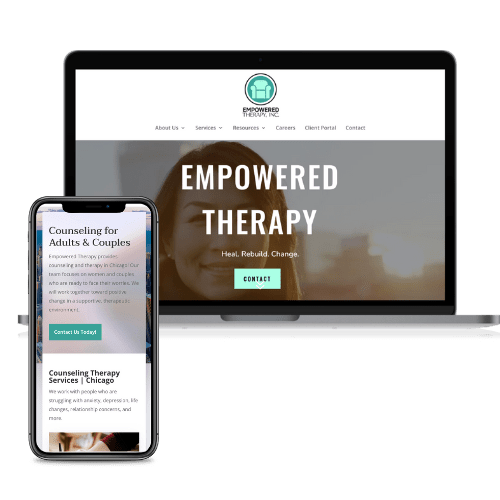
Elizabeth Burke, LCSWCEO, Empowered Therapy
Read the full review
“I cannot recommend LMR Digital enough. When I began working with them, my business was made up of two employees. Lauren not only took the time to help me understand what her services could do for my business, but clearly had the knowledge of my industry and the data to support her claims. LMR helped my business grow tremendously, and their expertise and business acumen undoubtedly helped my business weather the COVID-19 storm. Lauren will work with you to build a sustainable and profitable business, while learning the details necessary to create authentic work for you. If you want to expand and scale your business, working with LMR Digital is the way to do it. You will see their true passion for helping you succeed paired with a nuanced understanding of data, marketing techniques, website development, and all things necessary in 2020’s business world.”
Good to know
Mental health newsletter FAQ
The questions therapists ask most before starting a newsletter. Anything else, ask us on a free consultation.
Get startedMarketing specialists advocating for mental health
Get a comprehensive marketing solution for your mental healthcare practice
At LMR, our passion for mental health is reflected in our work. We take pride in the fact that our marketing helps connect people in need with the mental healthcare services that can help them, including newsletters that keep your practice present between sessions.
- Submit the formTell us about your practice and your audience.
- Schedule your consultationTalk through your goals for the newsletter with our team.
- Start your custom marketing solutionWe write, design and schedule. You approve every issue.
Your details stay with us. No lists, no resale, no surprise sales calls.
Request your free consultation
A few quick questions, then you’ll pick a time to talk.