
60 ChatGPT Prompts for Marketing Your Therapy Practice
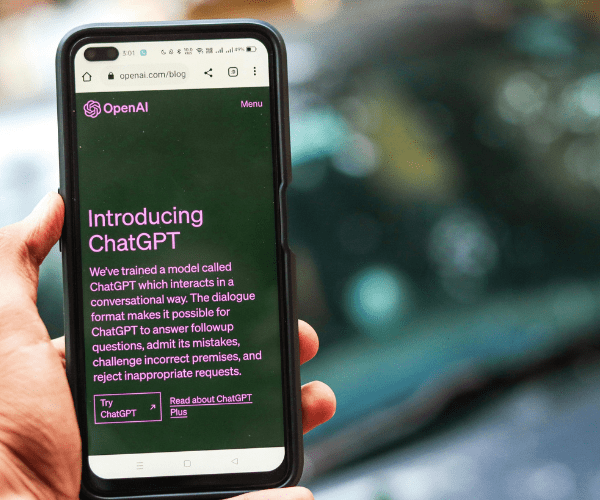
The best ChatGPT prompts for marketing a therapy practice name your specialty, your audience, the platform, and the result you want. Below are 60 copy-and-paste prompts, grouped by social media, video and Reels, email, blog and SEO, Google Ads, strategy, and analytics, with placeholders written for therapists.
Use them as first drafts, not finished work. Fill in the brackets, never paste client information into ChatGPT, and have a clinician check anything clinical before it goes live.
Seven things to remember from this article.
- Specific prompts get specific results: name your specialty, audience, platform, tone, and goal.
- Never paste client names, session details, or anything else that could identify a client into ChatGPT.
- Treat the first answer as a starting point and keep asking follow-up questions.
- Ask for ad copy, keywords, and email drafts, then test them in live campaigns and keep the prompts that produce winners.
- Check every fact, date, and clinical statement. ChatGPT can sound confident and still be wrong.
- Don't use ChatGPT to write testimonials or replies that confirm someone is a client.
- Save a brand voice description and reuse it so drafts sound like your practice.
Table of Contents
- Why Use ChatGPT for Therapy Practice Marketing?
- Is It Safe to Use ChatGPT for Practice Marketing?
- What Are the Best ChatGPT Prompts for Social Media?
- What Are the Best ChatGPT Prompts for Email Marketing?
- Which ChatGPT Prompts Help With Blog Posts and SEO?
- What Are Good ChatGPT Prompts for Google Ads?
- Which ChatGPT Prompts Help With Marketing Strategy?
- How Do You Write Better ChatGPT Prompts for Marketing?
- What Can't ChatGPT Do for Your Marketing?
- Frequently Asked Questions
Why Use ChatGPT for Therapy Practice Marketing?
ChatGPT helps therapy practices save time on marketing tasks that eat into clinical hours: drafting social captions, outlining blog posts, writing email sequences, brainstorming campaign ideas, suggesting Google Ads keywords, and summarizing reports. It works best as a fast first-draft partner that you direct, edit, and fact-check.
Most practice owners are not short on ideas. They are short on time. Marketing tends to happen in the gaps between sessions, notes, and billing, and a blank page is the hardest part. ChatGPT is good at getting you past it.
Common uses for a practice:
- Social media captions, content calendars, and Reel scripts
- Newsletter and email sequences
- Blog outlines, FAQs, meta descriptions, and other SEO tasks
- Google Ads headlines, keyword lists, and negative keywords
- Campaign ideas, lead magnets, and audience research
- Plain-English summaries of analytics reports
The quality of what you get depends on the quality of what you ask. A vague prompt gets a generic answer that could belong to any business. A prompt that names your specialty, your city, and your ideal client gets something you can actually use. For more on using AI across the rest of your practice, see our guide to ChatGPT for therapists.
Is It Safe to Use ChatGPT for Practice Marketing?
Yes, ChatGPT is safe for practice marketing as long as you keep client information out of it. Use it for general content about your services and topics, never for anything involving a specific client. Don't paste names, session notes, intake details, emails from clients, or any detail that could identify someone, and review every draft before it is published.
A few rules keep marketing use on the safe side:
- Write prompts about topics, not people. "Write a post about managing holiday stress" is fine. "Write a post based on my client who..." is not, even with the name removed, because details can identify someone.
- Strip data before pasting reports. Analytics and ad reports are usually fine. Inquiry lists, form submissions, and email threads with prospective clients are not.
- Skip testimonial prompts. Professional ethics codes for psychologists and counselors discourage soliciting testimonials from clients, so this post doesn't include prompts that generate them, and you shouldn't publish AI-written "client stories."
- Never confirm a client relationship. Any reply template you draft for comments, messages, or reviews should invite people to contact you privately, without acknowledging whether they have been seen at your practice.
What Are the Best ChatGPT Prompts for Social Media?
The best ChatGPT prompts for social media tell it the platform, the format, your specialty, your audience, and your tone. For a therapy practice, that means prompts for captions, monthly content plans, carousels, polls, Story quizzes, reply templates, and short video scripts that educate without diagnosing the reader.
Replace everything in [brackets] with your own details. The more specific you are, the less editing you will do.
Social media post prompts
Write 5 Instagram captions for [practice name], a therapy practice in [city] that offers [service, e.g. couples counseling]. Keep them warm and nonclinical, under 100 words each, with one gentle call to action. Don't promise outcomes.
Give me a month of social media content ideas for a therapy practice specializing in [specialty, e.g. perinatal mental health]. Mix education, practice culture, and myth-busting posts. Avoid anything that diagnoses the reader.
Create a 6-slide LinkedIn carousel that explains [topic, e.g. what happens in a first therapy session] for [audience, e.g. working professionals]. One short idea per slide, plus a caption.
Write 3 short social media hooks to promote our blog post titled [title]. Make them curious and helpful, not clickbait.
Generate 10 social media post ideas for a therapy practice whose ideal clients are [audience, e.g. college students]. Note which platform each idea suits best.
Suggest 5 Instagram or Facebook poll questions that help us learn which mental health topics our followers want us to cover. Keep them general so no one has to share personal health information.
Give me 5 Instagram Story quiz or slider ideas that teach followers something about [topic, e.g. sleep and stress], with the correct answer and a one-line explanation for each.
Suggest 6 Instagram Story Highlight categories for [practice name], a [type, e.g. group therapy] practice, with a one-line description of what goes in each.
Write a short, friendly reply template for when someone asks about our services in a comment or DM. Invite them to contact us privately at [phone or booking link]. Don't ask about their situation, and never confirm or imply that anyone is or was a client.
Suggest 5 Threads or X thread topics that educate followers about [specialty, e.g. OCD treatment] without giving individual advice. Outline the first 4 posts of the strongest one.
Video and Reels prompts
Short videos of your clinicians are one of the best ways to build trust before someone reaches out. These prompts help you plan and script them. Add your brand personality to the prompt so the scripts sound like your team, not a stock voiceover.
Give me 10 Reel ideas for a behind-the-scenes series that introduces each clinician at [practice name], one clinician per video. Include a hook for the first 3 seconds of each.
Write 5 sample voiceover scripts for our "behind the desk" clinician videos. Each Reel should be under one minute. Our brand voice is [e.g. warm, down-to-earth, lightly funny].
Write 3 short TikTok or Reels scripts, under 45 seconds each, explaining what [service, e.g. EMDR therapy] is and who it can help, in plain language with on-screen text suggestions.
What short-form video formats tend to work well on Instagram Reels for service businesses like a therapy practice? Give 5 examples we could film in our office without showing clients.
Turn this blog post into a 60-second video script with on-screen text and a closing call to action: [paste blog text].
For more on building a presence clients trust, see our social media guide for therapists.
What Are the Best ChatGPT Prompts for Email Marketing?
The best ChatGPT prompts for email marketing name the email's purpose, who receives it, the tone, and the single action you want readers to take. For therapy practices, useful prompts cover welcome sequences, group or workshop announcements, webinar follow-ups, re-engagement emails, subject lines, and rewriting drafts to sound warmer.
Email works well for practices because it reaches people who already chose to hear from you. Keep newsletters educational and low-pressure, and avoid language that creates false urgency around care.
Write a 3-part welcome email sequence for new subscribers to [practice name]'s newsletter. Email 1 introduces the practice, email 2 shares one helpful resource on [topic], and email 3 explains how to book a consultation.
Write an email announcing a new [therapy group or workshop] starting [date]. Explain who it is for, what to expect, the cost or insurance details, and how to register. Keep the tone calm, with no false urgency.
Draft a follow-up email for people who attended our free webinar on [topic]. Thank them, share the recording at [link], recommend one related resource, and invite them to schedule a consultation without pressure.
Rewrite this email so it sounds more conversational and friendly while staying professional: [paste your email, with no client information].
Write a re-engagement email for newsletter subscribers who haven't opened an email in 90 days. Ask whether they still want to hear from us, remind them what we send, and make unsubscribing easy.
Give me 10 subject line options for this newsletter, under 50 characters each, with no clickbait or alarming language: [paste draft].
Looking for topics to fill those emails? Our list of wellness newsletter ideas pairs well with these prompts.
Which ChatGPT Prompts Help With Blog Posts and SEO?
ChatGPT prompts help with blog posts and SEO when they ask for a specific deliverable: an outline with H2 and H3 headings, an introduction that answers the question quickly, a meta description with your target keyword, FAQs, alt text, internal link ideas, or a content refresh plan. Always edit the result and add your own clinical expertise.
Search engines reward content that is genuinely helpful, whoever or whatever drafted it. Google's guidance on AI-generated content frames it within its long-standing focus on helpful content. In practice, that means ChatGPT can speed up the structure and first draft, but the insight that makes a therapy blog worth ranking has to come from you.
Create a blog outline for [topic, e.g. how to find a therapist for teen anxiety in Denver] with H2 and H3 headings, and suggest the keyword each section should target.
Write an SEO-friendly introduction, under 100 words, for a blog post about [topic]. Answer the main question in the first two sentences.
Draft a compelling, SEO-friendly meta title and meta description for our [service, e.g. Adolescent Therapy] service page that includes [target keyword, e.g. therapy for teens in NYC]. Keep the title under 60 characters and the description under 155.
Write 6 FAQ questions and answers for our [service] page, based on what people commonly ask before booking. Keep each answer under 60 words and avoid individual clinical advice.
Write short, descriptive alt text for these images on our website: [describe each image, e.g. our waiting room with two armchairs].
Here is a list of our blog post titles and URLs: [paste list]. Suggest internal linking opportunities between them and the anchor text to use for each link.
Here is one of our top blog posts: [paste post]. Create a refresh plan: what may be outdated, what is missing, and which questions to add. Flag any statistics I should re-check.
Write a short, friendly outreach email asking [local organization or publication] to consider linking to our free resource on [topic]. Explain why it helps their readers.
Plan a 5-post content series around the keyword cluster [main keyword, e.g. couples counseling]: one pillar post and four supporting posts, with a working title and target keyword for each.
Write a short section for our [service] page about serving clients in [city or region]. Mention the areas we serve, parking or transit, and telehealth availability in [states].
Create a content brief for a freelance writer covering a post on [topic]: audience, search intent, outline, target keywords, tone, and the kinds of sources to cite.
List 8 "People also ask" style questions people search about [topic], and tell me which ones deserve their own blog post and which fit in an FAQ.
Write 4 short Google Business Profile updates for [practice name] about [news, e.g. a new clinician, evening hours, a new group]. Each should include a call to action.
Turn this webinar or video transcript into a blog post with headings and a short summary at the top: [paste transcript].
Before you plan posts, it helps to know which searches matter. Our guide to mental health keywords explains how to choose them, and blogging for therapists covers turning posts into traffic.
What Are Good ChatGPT Prompts for Google Ads?
Good ChatGPT prompts for Google Ads ask for headlines within the 30-character limit, keyword lists grouped by intent, negative keywords, local and long-tail keywords, ad group ideas, and ad assets. Include your practice name, service, and city, then test the drafts in live campaigns and keep what performs.
These prompts are written for a practice. Swap in your own details, for example "[practice name] offering [service, e.g. anxiety therapy in Austin]."
Generate 10 headline ideas, 30 characters or fewer, for a responsive Google search ad for [practice name] offering [service, e.g. anxiety therapy in Austin].
Create a list of 20 keywords for [practice name] offering [service] to target in Google Ads, grouped by search intent.
Develop 5 ad group concepts for [practice name] based on these services: [list services]. Give each a theme, sample keywords, and one sample headline.
Suggest 10 call-to-action phrases for a therapy practice's Google Ads that feel calm and inviting, not pushy.
Propose 20 negative keywords for [practice name]'s Google Ads to filter out searches that won't lead to clients, such as jobs, degrees, and training programs.
Suggest 5 ad assets (formerly called extensions), such as sitelinks and callouts, that [practice name] should use, with example text for each.
Identify 10 local keywords for [practice name] offering [service] in [city], including neighborhood names and "near me" variations.
Give me 5 ways to improve Quality Score for an ad group targeting [keyword], focusing on ad relevance and landing page experience.
Write 5 Google Ads headlines that address common concerns people have before starting [service], such as cost, insurance, or time commitment.
Propose 10 keywords focused on the problems [service] helps with, phrased the way people actually search.
Propose 10 long-tail keywords for [service] in [city] that show someone is ready to book.
Generate 3 ideas for using dynamic keyword insertion in ads for [practice name], and flag any keywords from this list that would read awkwardly in a headline: [paste keywords].
Test and refine your ad prompts
ChatGPT can't tell you which headline will win. Your campaign data can. Use a simple loop:
- Put the goal and voice in the promptSay what the ad should achieve (for example, consultation requests for couples counseling) and describe your brand voice. Ask ChatGPT to work your target keywords into the ad text naturally.
- Generate several versionsAsk for more headlines and descriptions than you need, then remove anything inaccurate, pushy, or off-policy.
- Run them in live campaignsResponsive search ads let Google test combinations of your headlines and descriptions.
- Track click-through rate and conversion rateNote which prompts produced the headlines and descriptions that earned clicks and consultation requests.
- Refine the promptsKeep the prompts that produce winners, adjust the ones that don't, and repeat.
AI can draft ads quickly, but it doesn't know Google's healthcare policies, your state's rules, or your account history. If you'd like experienced eyes on your campaigns, our Google Ads management for therapists handles strategy, compliance, and optimization.
Which ChatGPT Prompts Help With Marketing Strategy?
ChatGPT prompts help with marketing strategy when you use them to brainstorm, not to decide. Ask for campaign ideas, lead magnets, a simple funnel, ideal client profiles, and the challenges and language your audience uses. Then compare the ideas against your caseload goals, budget, and what you know about your clients.
When you give ChatGPT constraints, such as your budget, your team size, or how many hours you can spend each week, its ideas get more realistic.
Brainstorming and strategy prompts
Give me 5 campaign ideas to promote [practice name] during Mental Health Awareness Month in May that educate without exploiting the topic.
List 10 lead magnet ideas for a therapy practice specializing in [specialty], such as guides, checklists, or short email courses.
Help me map a simple marketing funnel for [service], from someone first seeing our name to booking a consultation. Suggest one piece of content for each stage.
Identify common mental health challenges faced by [audience, e.g. teenagers] that a therapist could address in marketing materials, and the everyday words people use to describe them.
Generate a list of blog post ideas for a therapist specializing in mindfulness and mental wellness, aimed at people who want to reduce anxiety.
Here are anonymized questions people asked in our webinar Q&A and in social media comments: [paste, with names and identifying details removed]. Summarize the main themes and the words people use.
Create 3 ideal client profiles for a [type, e.g. couples counseling] practice in [city], including their concerns about starting therapy and where they look for information. Mark which details are assumptions I should check.
Here are 3 posts or emails we wrote that sound like us: [paste]. Describe our brand voice in 5 bullet points I can reuse in future prompts.
The best source of audience language is your own community. Questions from webinar Q&As, comments on your posts, and public forums show the words people actually use. Remove anything identifying, then ask ChatGPT to find the patterns.
Analytics and insights prompts
Paste report data, not client data. Aggregate numbers from Google Analytics, your email platform, or your social accounts are fine.
Summarize this Google Analytics report in plain English and list the 3 things I should look into: [paste data, with no client information].
Give me 3 content recommendations based on this social media performance data: [paste stats].
What are 5 possible reasons my email open rate dropped last month, and how could I check each one?
Help me write a short summary of last quarter's marketing results for our team meeting: [paste numbers].
How Do You Write Better ChatGPT Prompts for Marketing?
Write better ChatGPT prompts for marketing by being specific about the deliverable, adding details about your audience, tone, and goal, giving an example of the style you want, and iterating. Treat the first answer as a starting point and ask follow-up questions until the draft fits your practice.
Be specific
Ask for "5 Instagram captions under 100 words about our new teen DBT group," not "a social post."
Add details
Name your specialty, city, ideal client, tone, and the one action you want readers to take.
Show an example
Paste a caption or email you liked and ask ChatGPT to match its style and length.
Tweak and iterate
Ask for it shorter, warmer, in bullet points, or for a different audience. Each round gets closer.
A worked example: brainstorm, then follow up
Here is how a practice owner specializing in eating disorders might use a conversation, rather than a single prompt, to build an Instagram plan.
- Open with specialty, platform, and goal"How can I, as a therapy practice owner specializing in eating disorders, use Instagram to increase brand awareness?" This names the specialty, the platform, and the goal, so the answer starts in the right place.
- Treat the first answer as a menuThe first reply is usually a list of broad strategies. Pick the one or two that fit your practice instead of trying to do them all.
- Ask for specifics"Give me 10 post ideas for the educational content you suggested. Avoid any mention of weight, numbers, calories, or before-and-after images." Adding your field's safe-messaging rules keeps drafts appropriate.
- Shape the voice"Rewrite those ideas as captions in a warm, nonjudgmental voice, under 80 words each, ending with an invitation to learn more on our website."
- Review as a clinicianRead every draft for clinical accuracy and tone before scheduling it.
Create your own custom prompts
Once you've used a few of the prompts above, build your own with this formula. Fill in each bracket and save the versions that work.
Write [type of content] for [audience], promoting [service], in a [tone] tone, and include [specifics such as length, keyword, or call to action].
For example: "Write a blog introduction for parents of teenagers, promoting our adolescent therapy program, in a warm and reassuring tone, and include the keyword teen therapy in Denver." If you use ChatGPT often, save your brand voice description in its custom instructions or a project so you don't have to paste it every time.
What Can't ChatGPT Do for Your Marketing?
ChatGPT can't replace your clinical judgment, your knowledge of your clients, or your practice's voice. It may get facts, dates, or terminology wrong, misread complex or ambiguous requests, and miss the emotional nuance mental health content needs. Think of it as a capable junior team member who needs direction and a final edit.
Three limits to keep in mind:
- Facts and dates can be wrong or out of date. Some versions of ChatGPT can search the web, but it can still state outdated or incorrect information with confidence. Check every statistic, date, and policy claim against the original source.
- Complex or ambiguous requests get misread. If a prompt could mean two things, ChatGPT will pick one. Be explicit.
- It doesn't replace human judgment on emotion and nuance. What reads as supportive to one audience can feel dismissive to another. You know your clients; ChatGPT doesn't.
A real example of output that needed fixing
We once asked ChatGPT for "a compelling social media post for therapists focusing on the importance of early intervention." The draft applied "early intervention" to teenagers in a way that didn't match how the term is used clinically, and its emoji choices felt wrong for a serious topic. It sounded polished, which made the errors easy to miss.
We rewrote the prompt to define the audience, the specific clinical context, and the tone ("no emoji, calm and professional"), then went through several rounds of feedback. A clinician reviewed the final version for accuracy before it was posted.
Before you publish anything ChatGPT helped write, run through this check:
Used this way, ChatGPT gives you back time for clients, rest, and the strategic thinking only you can do.
We'll handle the content, ads, and SEO for your practice, written by people who know mental health marketing.
Frequently Asked Questions
You can use it to draft a general, reusable response, but be careful. A reply should never confirm or imply that the reviewer is or was a client, or mention any detail of their care. A short, generic message that thanks them and invites them to contact the office privately is the safest approach.
Google says it focuses on whether content is helpful, not on how it was produced. The risk is publishing thin, generic, or inaccurate posts. Use ChatGPT for structure and drafts, then add your own clinical insight, local details, and examples so the post is genuinely useful.
For most of the prompts in this post, yes. Paid plans add features such as higher usage limits and more advanced models, which can help if you use it daily. Whichever plan you use, the same rule applies: keep client information out.
Paste two or three pieces you wrote that sound like you and ask ChatGPT to describe your voice in a few bullet points. Add that description to every prompt, or save it in custom instructions, and ask for revisions whenever a draft drifts.
There is no single rule for marketing content, but transparency supports trust. What matters most is that you stand behind everything you publish: it should be accurate, reviewed by a clinician where clinical, and consistent with your professional ethics code.
No. It can draft headlines, descriptions, and keyword ideas, but it can't see your account data, bid, or monitor results. You or your agency still need to set up campaigns, follow Google's healthcare ad policies, and adjust based on performance.
About LMR Digital Marketing
LMR is a digital marketing agency built exclusively for mental and behavioral healthcare practices. For more than 15 years, we have helped practices improve online visibility, attract qualified clients, and grow clinician caseloads through SEO, content marketing, Google Ads, social media, local SEO, and website optimization.
Our content, social media, and Google Ads services combine smart use of AI tools with human strategy, clinical sensitivity, and careful editing, so practices get consistent, accurate marketing that sounds like them, without the need for a full in-house team.
LMR Digital Marketing
Digital Marketing Services for Mental & Behavioral Healthcare. Reach out today to see if we are a good fit.
Follow Us On Instagram!
Who We Help
- Applied Behavior Analysis Companies
- Group Therapy Practices
- Rehab Centers
- Telehealth Companies
- EHR and other Saas Companies
- Speech Therapy Practices
- Medical Practices
- Psychiatric & Medication Management
Helpful Page Links